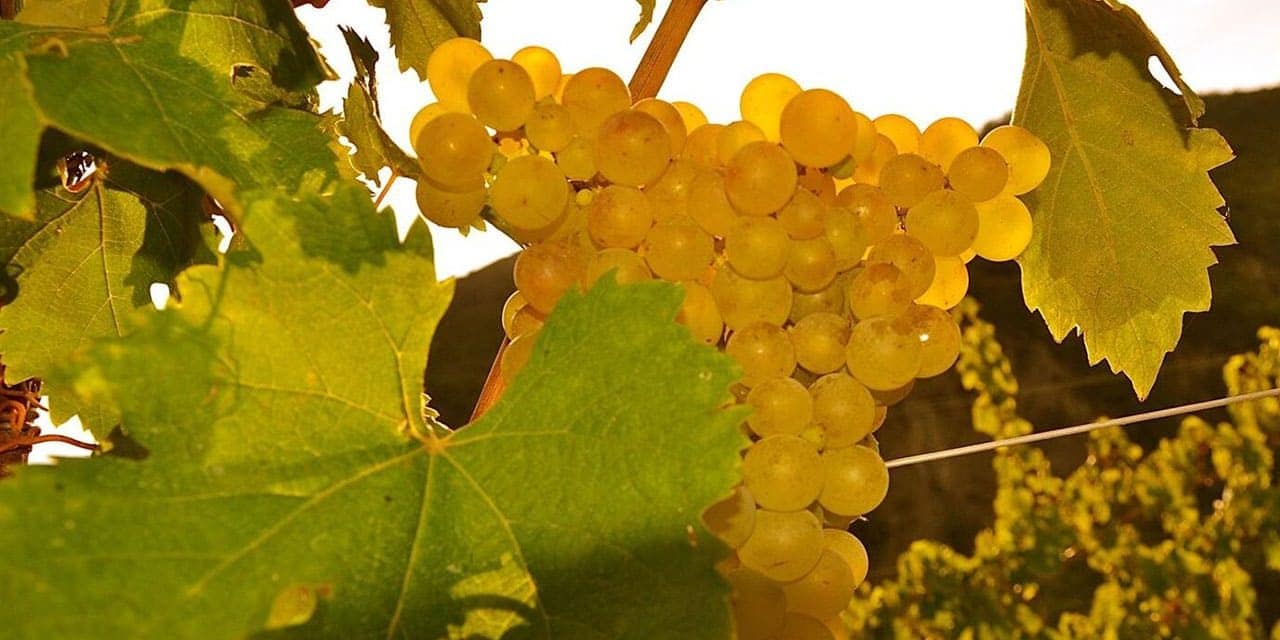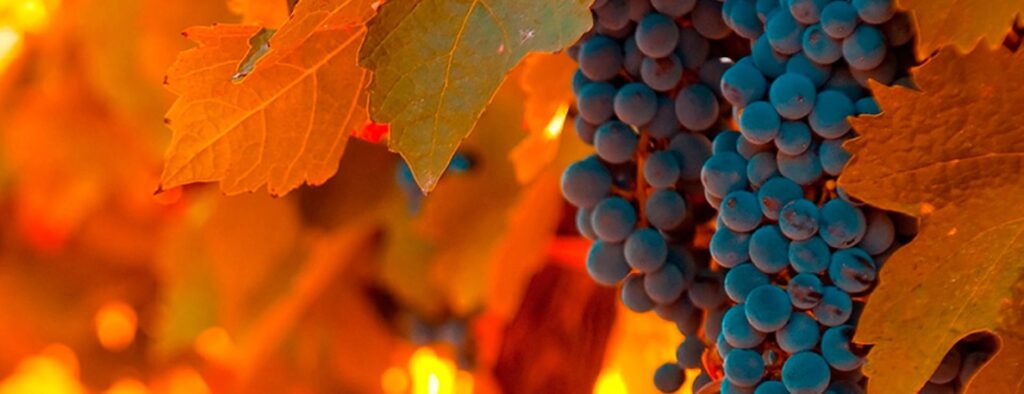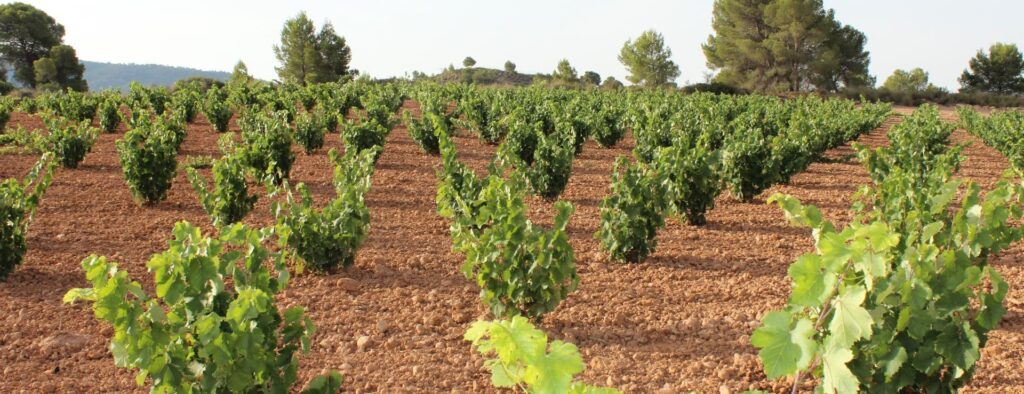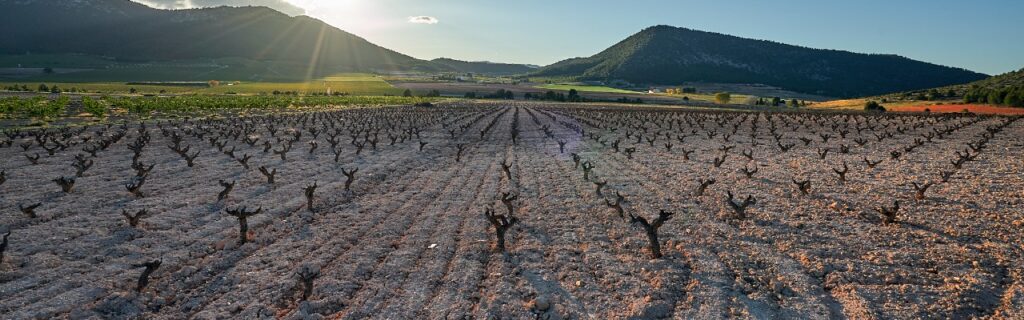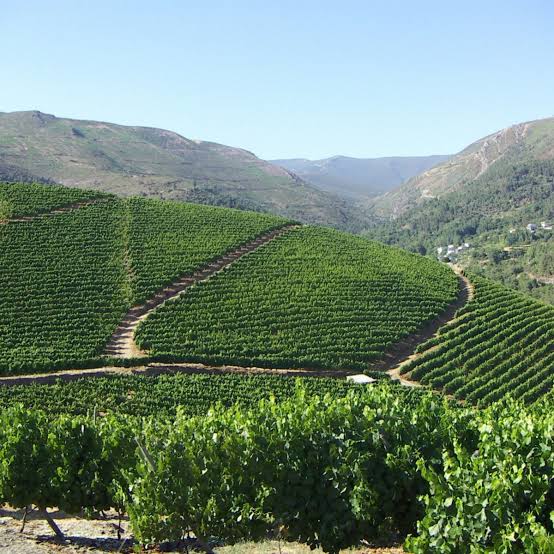
I’ve always loved underdog stories. So, when I learn about a grape variety that has come back from the brink of extinction, I’m quick to give it a try. This approach has rewarded me with some great wines. I call these recovered varieties “orphans” because they were once all but abandoned. In this article I’m going to give you some background on how Spain came to abandon its orphans and the stories behind four native Spanish grapes, two white and to red, which were saved by the efforts of a handful of visionaries. I’ll also make some recommendations, so you can enjoy them for yourself.
The Historical Forces That Nearly Erased Spain’s Native Grapes
Spain’s viticultural landscape changed more profoundly in the 20th century than at any other point in its long history, and no period was more consequential than the decades of Francisco Franco’s rule (1939–1975). The country emerged from the Civil War economically shattered, isolated from international markets and governed by an autarkic regime that prioritized self‑sufficiency over quality or innovation. Agriculture was tightly controlled, cooperatives were consolidated and wine became a strategic commodity, valued for caloric content, export potential and industrial use rather than regional identity or craftsmanship. In this environment, high‑yielding varieties such as Airén and Palomino were favored, while low‑yielding, site‑specific native grapes were abandoned. Godello, Bobal, Monastrell and many others survived only in scattered, neglected parcels tended by farmers who resisted the pressure to replant.
The Franco years accelerated a shift toward industrial viticulture. Large cooperatives dominated production, supplying bulk wine for distillation, fortified wine and inexpensive table wine. Traditional hillside vineyards, terraced plots in Galicia, old bush vines in León, ancient Monastrell in Jumilla, were either uprooted or left to decline. Rural depopulation intensified the problem: as young people left villages for cities, entire vineyards were abandoned. The regime’s agricultural policies rewarded volume, uniformity and ease of cultivation. Native grapes that were difficult, low‑yielding or tied to remote mountain sites were seen as obstacles to national productivity. Spain’s viticultural diversity, once one of the richest in Europe, began to erode.
By the 1960s and early 1970s, Spain’s wine industry was trapped in a paradox. It produced enormous quantities of wine, yet very little of it expressed regional character. Tempranillo was promoted as the country’s noble red and many regions replanted accordingly. International varieties such as Cabernet Sauvignon and Merlot were introduced as symbols of modernity. Meanwhile, heritage grapes, i.e., Godello in Valdeorras, Albariño in Rías Baixas, Bobal in Utiel‑Requena, Monastrell in Jumilla, were dismissed as rustic or commercially irrelevant. The Franco regime’s emphasis on agricultural efficiency and centralized control left little room for experimentation or preservation.
Spain’s transition to democracy after Franco’s death in 1975 and its entry into the European Economic Community in 1986 brought both opportunity and risk. EU investment modernized wineries, improved technology and opened export markets. But the infamous vine‑pull programs of the late 1980s and early 1990s encouraged growers to uproot old, low‑yielding vineyards, precisely the sites where Spain’s most distinctive grapes survived. Many growers complied, removing ancient vines that had endured phylloxera, war and decades of neglect. In regions like Valdeorras, Ribeiro, Utiel‑Requena and Jumilla, entire genetic lineages were reduced to a handful of forgotten vines.
Yet this same period produced a quiet revolution. As Spain’s middle class grew and global wine culture expanded, a new generation of winemakers began questioning what was being lost. They walked abandoned terraces, tasted grapes from forgotten parcels and listened to elderly farmers who remembered wines that no longer existed. Their motivations were not nostalgic, they were visionary. These winemakers believed that Spain’s future greatness depended on reclaiming its past. They saw potential in grapes that had been dismissed as rustic, difficult or commercially irrelevant.
By the late 1980s and 1990s, their efforts began to reshape Spanish wine. In Valdeorras, Horacio Fernández Presa revived Godello from near extinction. In Rías Baixas, small growers transformed Albariño from a local curiosity into an international star. In Utiel‑Requena, Toni Sarrión proved that Bobal could produce profound, age-worthy reds. In Jumilla, José María Vicente of Casa Castillo rescued Monastrell from the brink and redefined Mediterranean winemaking. These individuals, and others like them, did more than save grapes. They restored regional identities, revived ancient viticultural traditions, and helped Spain rediscover the diversity that now defines its most exciting wines.
Here are the stories of four varieties and some names to look for when you decide to try them:
Godello
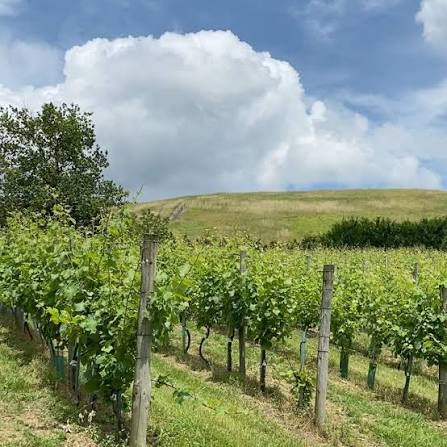
Godello’s story is one of the most dramatic revivals in modern European wine. A white grape native to the steep slate and schist slopes of Valdeorras and Bierzo, Godello was once prized for its concentration, acidity and ability to age. But by the mid‑20th century, after decades of rural depopulation, Franco‑era agricultural consolidation and the dominance of Palomino and other high‑yielding grapes, Godello had nearly disappeared. The grape was considered too low‑yielding, too demanding, and too tied to abandoned mountain terraces to be worth saving.
The Godello origin story has a few versions. Here’s the one I heard from Horacio Fernández Presa, founder of Godeval, and his granddaughter, Ana, who, in late 2023, was a winemaker in training at Godeval. (Caveat: My understanding may be imperfect as we communicated in Spanglish, none of us being truly fluent in the other’s language.) DO Valdeorras came into being in 1945 as a name and physical boundaries, but it had a poorly defined wine identity. Although there were scatterings of native grapes, the bulk of the region’s production was high-production Palamino and Alicante Bouschet that had been planted with governmental encouragement. The turning point came in the late 1970s. As area chief for the District Agricultural Office in charge of revitalizing the depressed viticultural sector, Presa was actively searching for native white varieties to champion. In collaboration with leading viticultural experts such as Luis Hidalgo, he found Godello in forgotten parcels tended by elderly farmers, took cuttings and began replanting. (At the time, Godello represented only 0.005% of Valdeorras plantings and was nearly extinct.) In 1974 he launched the RE.VI.VAL Project (REstructuring the VIneyards of VALdeorras). He planted new Godello vines across selected sites and in the late 1970s founded an experimental winery to vinify Godello and demonstrate its potential at what would later become Bodegas Godeval. At some point a meeting was held and the assembled growers and winemakers easily adopted Mencía as the region’s preferred red variety. The question was harder when it came to white grapes. Scattered throughout the valley one could find Dona Branca, Loureira, Treixadura, Albariño, Torrontes, Lado and Godello. Presa pushed hard for a regional identity built on Godello. Adoption by his peers was slow so he accelerated the process by founding Bodegas Godeval and continued his work promoting the grape and training new generations of growers. His early wines were revelations: concentrated, mineral, structured and capable of aging, qualities that Spain’s industrial whites lacked. In the 1990s and 2000s, Rafael Palacios, a beneficiary of the RE.VI.VAL Project, elevated Godello further, crafting wines from the high‑altitude, decomposed granite slopes of O Bibei that rivaled great Burgundy in finesse and longevity.
In the vineyard, Godello is demanding but rewarding. It ripens early yet retains acidity, thrives on poor soils and expresses terroir with remarkable clarity. In the glass, Godello shows pear, fennel, white peach, chamomile and wet stone, with a creamy mid‑palate and a mineral finish. With age, it develops beeswax, hazelnut and savory depth, becoming one of Spain’s most profound whites. Godello’s revival is a testament to the power of vision.
Primary DOs
- DO Valdeorras – the historic and spiritual home of Godello.
- DO Bierzo – increasingly important for high‑altitude, mineral expressions.
Top Producers & Benchmark Wines
- Rafael Palacios – As Sortes, Sorte O Soro, Sorte Antigua. The most critically acclaimed Godello in Spain; Burgundian finesse and longevity.
- Godeval (Horacio Fernández Presa) – Godeval Cepas Vellas. The original modern Godello; sourced from the vines that saved the grape.
- Valdesil – Pedrouzos, Valdesil Godello. Pedrouzos comes from the oldest Godello vines in Valdeorras; a reference point for depth and minerality.
Additional notable estates: Adega A Coroa, Bodegas Avancia, Dominio do Bibei (DO Ribeira Sacra).
Albariño
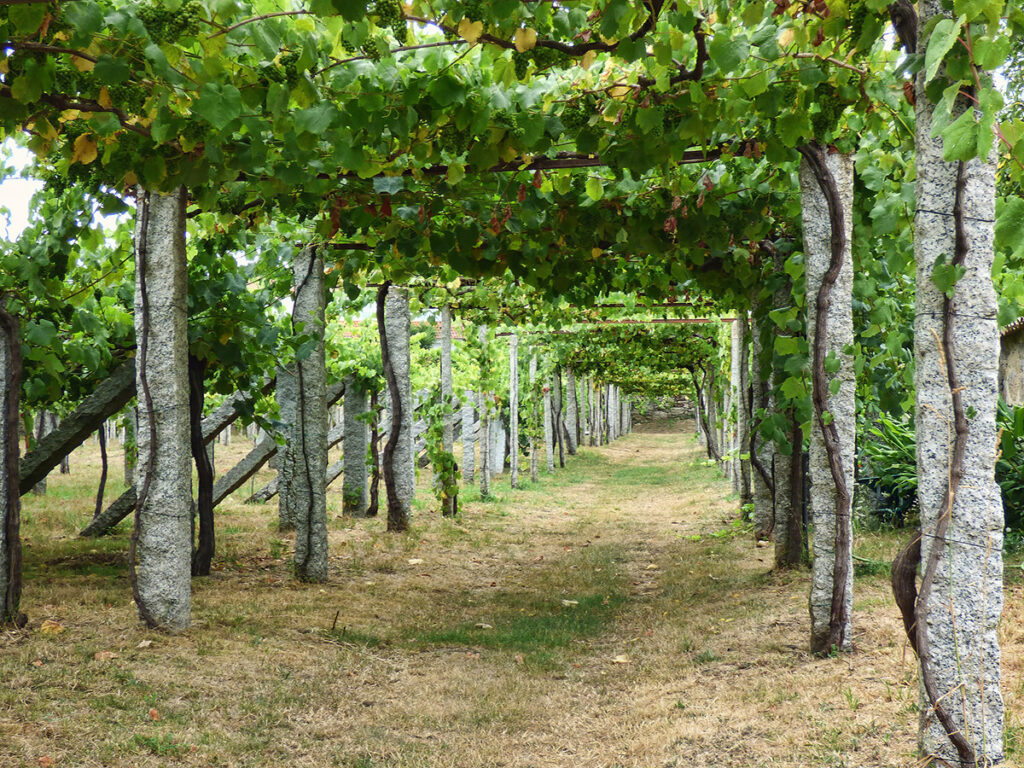
The white grape Albariño was never fully extinct, but by the mid‑20th century it was perilously close to irrelevance. In the Franco years, Galicia’s vineyards were dominated by high‑yielding Palomino and hybrid varieties used for bulk wine. Albariño survived mostly in mixed field blends, grown by families on overhead pergolas (locally called, “parrals”) above food crops for home consumption. It was considered too delicate, too low‑yielding and too tied to tiny coastal parcels to be commercially viable. Rural depopulation accelerated the decline; terraced vineyards in Rías Baixas were abandoned and the grape’s identity faded.
The revival began in the 1970s and 1980s, driven by small growers who believed Albariño could express the Atlantic character of Galicia like no other grape. When DO Rías Baixas was created in 1988, Albariño finally had a platform. Producers such as Pazo de Señoráns and Do Ferreiro demonstrated that Albariño could produce wines of aromatic intensity, mineral depth and surprising longevity. Do Ferreiro’s Cepas Vellas, made from two-century‑old vines, became a benchmark that proved Albariño’s greatness.
In the vineyard, Albariño thrives in cool, humid, maritime conditions. Its thick skins resist rot, and its natural acidity gives it tension and lift. In the glass, Albariño shows lime, green apple, peach skin, jasmine and sea spray, with a saline finish that reflects its Atlantic origins. With age, it develops almond, honey, and savory complexity.
Primary DO
- DO Rías Baixas – divided into five subzones (Val do Salnés, O Rosal, Condado do Tea, Ribeira do Ulla, Soutomaior); Val do Salnés is the epicenter of top Albariño.
Top Producers & Benchmark Wines
- Do Ferreiro – Cepas Vellas. From two-century‑old vines; widely considered the benchmark Albariño.
- Pazo de Señoráns – Selección de Añada. Aged Albariño showing the grape’s remarkable longevity and complexity.
- Bodegas Fillaboa – La Fillaboa 1898. Another perfect example of aged Albariño. (The 2025 Peñin Guide gave the 2016 vintage 100 points and called it, “one of the best of all time.”)
Additional notable estates: Attias Bodega y Viñedos, Bodegas Albamar, Fento Wines, Pazo de Barrantes, Pazo de Rubianes, Zarate.
Bobal
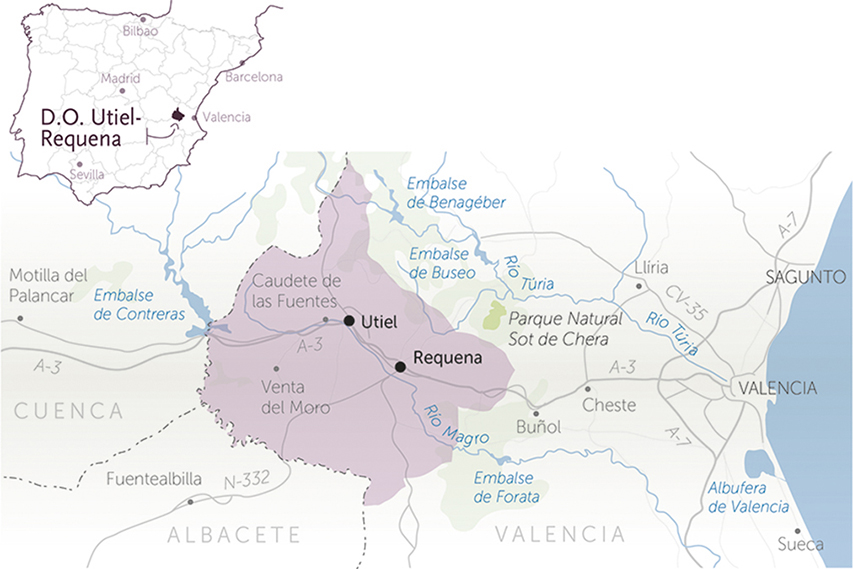
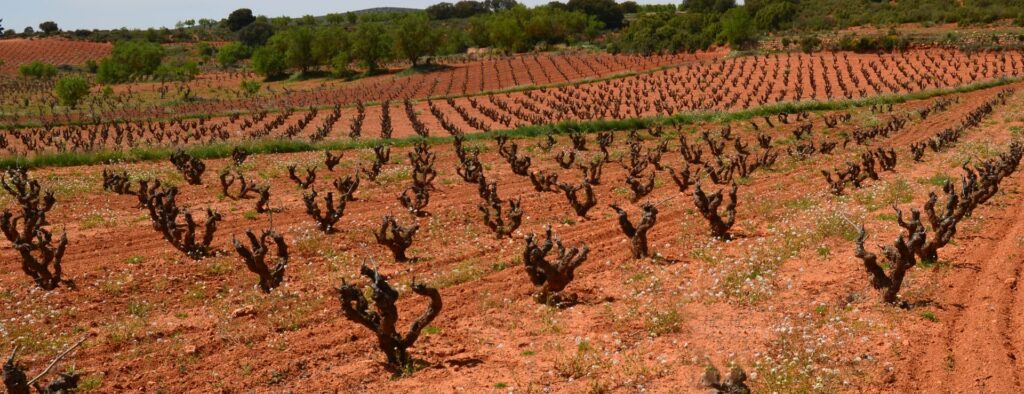
For most of the 20th century, Bobal was Spain’s forgotten red. Native to Utiel‑Requena, it was widely planted, but almost entirely for bulk wine, distillation and rosé. Under Franco, cooperatives dominated the region, and Bobal’s natural vigor and high yields made it ideal for industrial production. Its thick skins, rustic tannins and deep color were seen as flaws rather than assets. By the 1980s, Bobal was considered incapable of producing fine wine, and many growers replaced old vines with Tempranillo or international varieties.
The grape’s salvation came from Toni Sarrión, founder of Mustiguillo, who in the late 1990s began experimenting with old‑vine Bobal in high‑altitude vineyards. Sarrión believed that Bobal’s natural acidity, phenolic structure and drought resistance made it uniquely suited to the region’s continental climate. By lowering yields, harvesting at optimal ripeness and vinifying with precision, he revealed a new side of Bobal: aromatic, structured, age worthy and profoundly expressive. His wine Finca Terrerazo became the reference point for modern Bobal. His Quincha Corral was my favorite wine on my last trip to Spain.
In the vineyard, Bobal is vigorous but resilient. It thrives in poor soils, withstands drought and retains acidity even in hot summers. In the glass, Bobal shows black cherry, plum skin, violets, cocoa and Mediterranean herbs, with firm tannins and a mineral backbone. With age, it develops leather, spice, and savory depth. Bobal’s revival is one of Spain’s great red‑wine transformations.
Primary DO
- DO Utiel‑Requena – the heartland of old‑vine Bobal, where some of the better expressions are labeled as Vino de Pago wines. (Also found in DO Manchuela, where high‑altitude sites produce elegant expressions.)
Top Producers & Benchmark Wines
- Mustiguillo (Toni Sarrión) – Finca Terrerazo, Quincha Corral. The wines that redefined Bobal; Terrerazo is the flagship, Quincha Corral is the cult bottling.
- Bodegas y Viñedos Sentencia – El Indulto. Valued for its depth, precision and its role in showcasing the region’s highest‑end potential
- Bodega Vera de Estenas – Casa Don Ángel Bobal. With age, an outstanding example.
Additional notable estates: Pago Choza Carrascal, Dominio de la Vega, Bodegas Vegalfaro, Clos Cor Ví, Bodegas Ponce (La Estrecha, DO Manchuela)
Monastrell
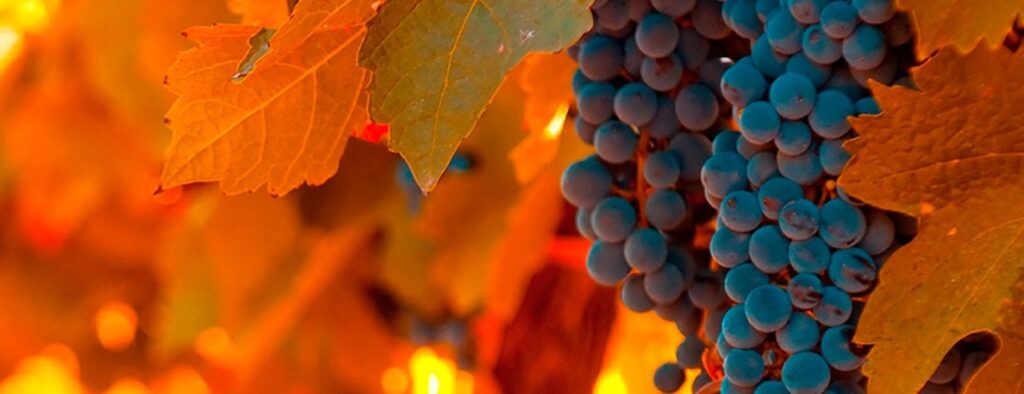
Monastrell (Mourvèdre) is one of Spain’s oldest grapes, but by the mid‑20th century it was in crisis. Phylloxera devastated its traditional strongholds in Alicante, Yecla and Jumilla. Franco‑era agricultural policies favored high‑yielding varieties, and many old Monastrell vineyards, especially dry‑farmed bush vines, were uprooted. By the 1970s, Monastrell was associated almost entirely with heavy, oxidized bulk wine. Its low yields, late ripening and site sensitivity made it unfashionable in an era focused on efficiency.
The revival began in the 1980s and 1990s, led by Casa Castillo in Jumilla. When José María Vicente took over the estate, he recognized the potential of the region’s ungrafted, high‑altitude Monastrell vines. By embracing low yields, careful extraction and aging in neutral oak, he crafted wines of freshness, structure and Mediterranean elegance. His bottlings, especially Pie Franco, from ungrafted vines, became icons of modern Spanish wine. Producers like Enrique Mendoza in Alicante further elevated the grape’s reputation.
In the vineyard, Monastrell is demanding. It ripens late, requires heat and thrives in poor, rocky soils. But when grown in high‑altitude or coastal sites, it produces wines of remarkable balance. In the glass, Monastrell shows blackberry, lavender, garrigue, smoked meat and spice, with firm tannins and a savory finish. With age, it develops leather, dried herbs, and mineral depth. Monastrell’s revival redefined Mediterranean red wine, proving that power and elegance can coexist in a grape once dismissed as rustic.
Primary DOs
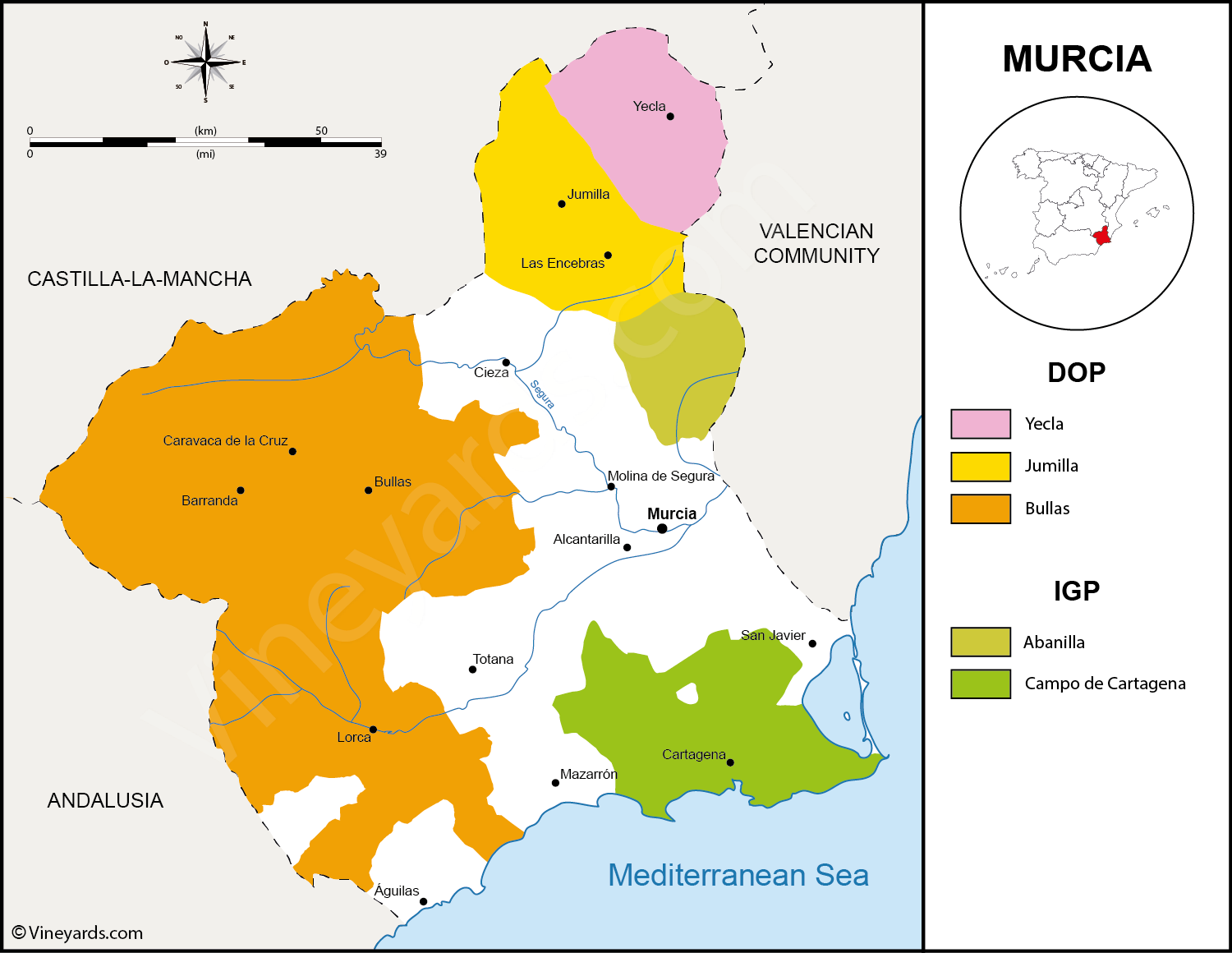
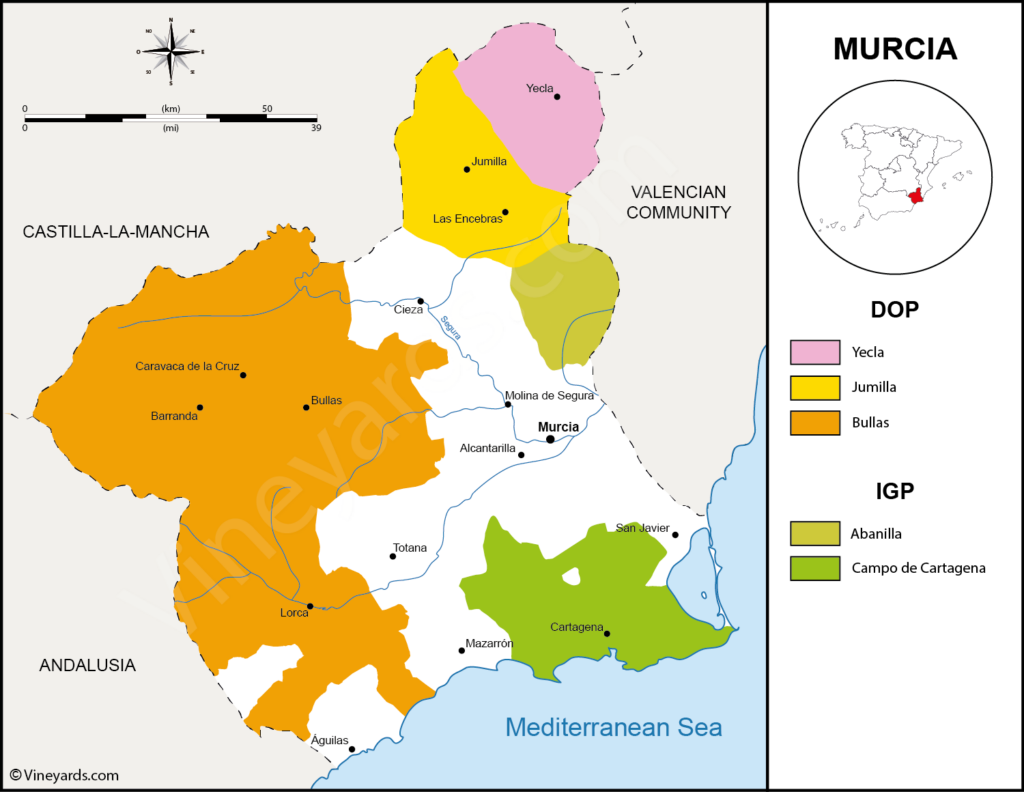
- DO Jumilla – the epicenter of the revival; home to ungrafted, high‑altitude vines
- DO Yecla – known for structured, mineral Monastrell
- DO Bullas – fresher, more aromatic, high-altitude Monastrell
- DO Alicante – historic stronghold with both coastal and inland expressions
Top Producers & Benchmark Wines
- Casa Castillo (José María Vicente, DO Jumilla) – Pie Franco, Las Gravas Pie Franco, from ungrafted vines, is one of Spain’s greatest Mediterranean reds.
- Enrique Mendoza (DO Alicante) – Santa Rosa, Estrecho. Estrechois a pure, elegant Monastrell from old vines; Santa Rosa blends Monastrell with Bordeaux varieties.
- Bodegas Juan Gil (DO Jumilla) – Juan Gil Silver Label, Juan Gil Blue Label. Modern, powerful, fruit‑driven expressions that helped bring Monastrell to global attention.
Additional notable estates: Bodegas Castaño (DO Yecla), Bodegas El Nido (DO Jumilla), Bodegas Luzón (DO Jumilla), De Naríz (DO Yecla), Bodega Monastrell (DO Bullas), Bodegas Lavia (DO Bullas).
I sincerely hope you have a chance to try these varieties and fall in love with at least one of them.
Until next time, drink well.